
Work Text:
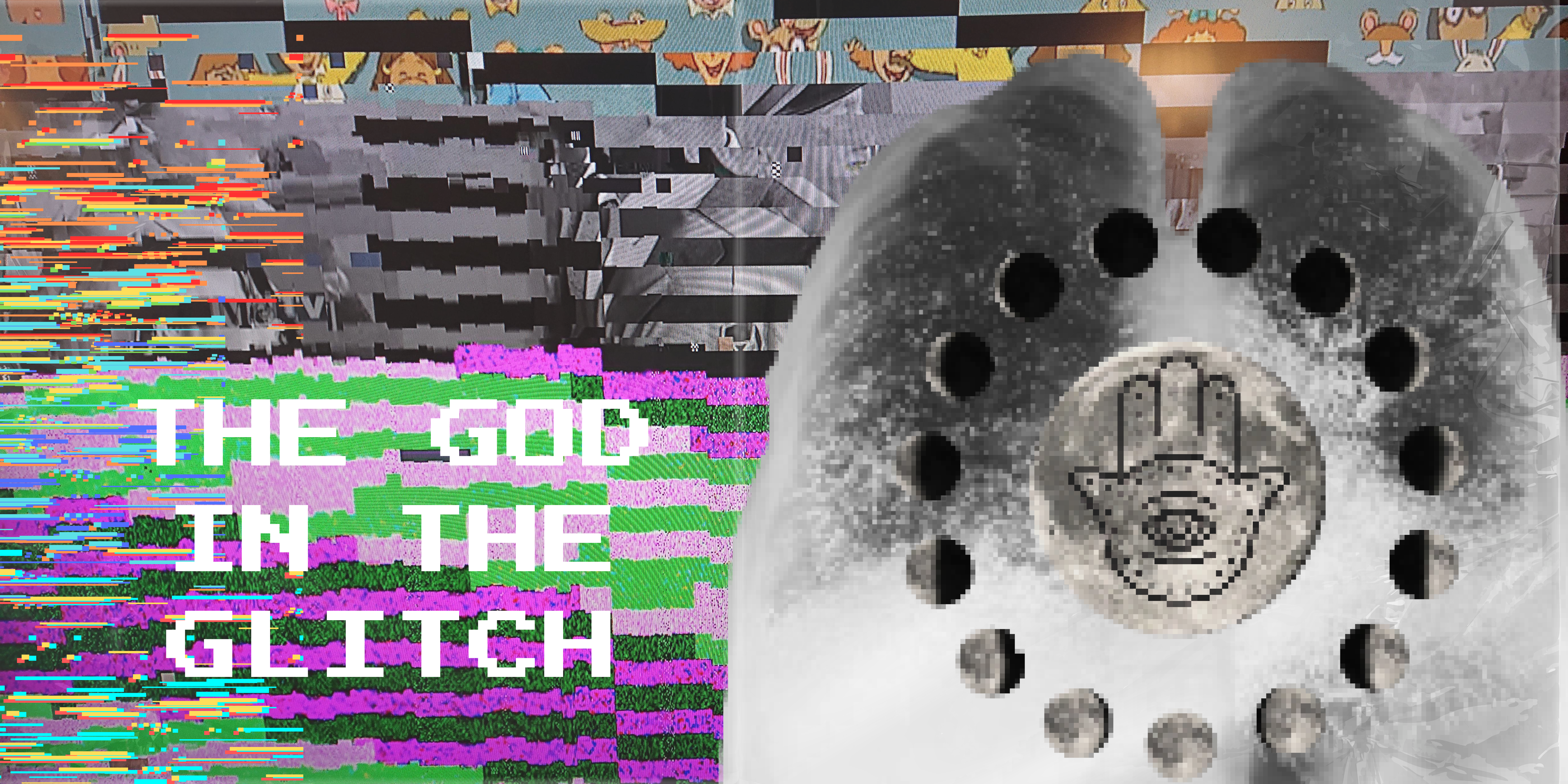
The Internet is a church now—we all have a hand in defining the Gospel.
It’s Friday night, and you’re lying in bed, phone out, scrolling on TikTok. You don’t even know what you’re looking for—only that you’re still looking. After scrolling past the tenth iteration of the same TikTok trend, you decide to retreat to your favorite band server on Discord—not the main one, but a private, smaller group. Ping. Your heart races. The silence after hits harder than the noise itself.
It’s desolate—but let’s call it for what it is: survival. We exist in a digital landscape where our loneliness is a curated experience—something for ads to consume. Let’s be real. Social media companies want you to doomscroll. They want the lonely. In this increasingly bleak and disconnected digital world, people seek connection and community through the creation of digital myths—whether it involves crafting Slenderman stories, analyzing lyrics and ARG-like content in bands like Sleep Token, or remixing fandom and finding each other in the process. Through this search for connection, we push back, paving a way for a future Internet that isn’t so isolated. You might not know what you’re looking for—but maybe that’s the point. We’re not so alone if we’re all looking together.
But what if we can’t find each other in the search? A 2023 report from the US Surgeon General stated that one in two adults in America reported experiencing loneliness. Although we might look back at the pandemic as some sort of starting point, in reality, we have been teetering toward this issue for years, to the point that loneliness has been declared a global health concern by the WHO. Humans are designed for social connection. The advancement of our species has been predicated upon our ability to commune amongst one another; the spark of civilization—our ability to settle and farm, could not have started without our ability to communicate and problem solve. Our ability to connect is just as vital as our need for food, water, and shelter.
In reality, this issue is the tip of the iceberg. If someone identifies as lonely, the other health issues start to stack up. Across a multitude of disciplines, the picture becomes clearer about the connection between loneliness and our health; those who experience isolation, social deficits, and poor quality of relationships are more likely to die earlier than those who do, regardless of the cause of death. Social connection raises our likelihood of longevity by over 50%. We can take away the stone and the axe, but at our core, we are social creatures.
However, we don’t need a report to tell us what every Gen Z or Millennial already knows. So, what do we do with this kind of empty? We go online, of course.
You might say, well, hasn’t it always been like this? It used to be different. The Internet was once a communal space filled with strange but wonderful, interconnected groups of people. A space where—before algorithms—people debated, connected, and exchanged ideas. Somehow, there was a physicality. Now, it’s dead internet theory. A liminal void, disjointed and filled with bots, marred by companies that would rather we doom-scroll and smash keyboards, leaving react comments rather than speak to each other.
We must face the truth: in a world where we could talk to anyone, we are more isolated than ever. So what, then, do we turn to? Fandom. Myth. Memes. We turn to Slenderman, the endlessly remixed monster. We’re here to say—this is real. Something in here matters.
Bands like Sleep Token are built from a deliberate absence. No faces—no names. Fans analyze lyrics and make video essays, all centering the lead singer’s relationship with a god who appeared to him in a dream, promising “...glory and magnificence in return for his worship.” The most common pronouns used in Sleep Token’s lyrics are “I” and “you,” facilitating an open space for listeners to project themselves in the work, but also imagine the lead singer’s journey throughout the albums as he encounters the god Sleep. In that vacuum, fandom is born.
Fans pore over lyrics, some seeking Sleep, while others speculate about the writer between the lines. They attend rituals to worship—a concert by any other name. Theories are traded on Discord, and some even document the lead singer's unmasked work, sparking much controversy in the fanbase. It isn’t just the worship of a person; fans crave possibility. They project devotion, anger, and desire onto a faceless, anonymous man who calls himself Vessel. We need to name the lack. We don’t want to; we want to hyperfocus and scroll. But that’s the thing—we’re all projecting a you onto something. And there’s no escape. We say we’re tired—that’s what it always is—but we keep refreshing.
Gods are no longer built from twinkling stars, wide rivers, or from mountaintops. They’re made of avatars, masks, livestreams, and Discord servers. We no longer send up plumes of smoke—we post. We wait, and around the world, we refresh. The lack is too big to hold—but don’t worry, our world governments are appointing new Ministers. Could you imagine being the Minister of Loneliness? Well, apparently, there’s been one in the UK since 2018. Japan followed suit soon after in 2021. We’ll figure it out, won’t we?
We’re looking—for that creepypasta, that new song—that lore drop. We’re not just consuming stories—we’re building a survival system. Grasping at the sand slipping through our fingers. Exhausting ourselves on what could be. We project meaning out into digital voids—call it love, call it fear—and hope that something grasps back. In doing so, we create modern myth. Let our loneliness stand, but also our desire to connect and be seen.
That’s myth now. And maybe that’s all it's ever been—something to help us make sense of the world. Only now, we're just doing it through pixels and pings.